
A custom women’s shoe begins long before the first pair is cut and stitched. A clear brief, material choices, fit decisions and sample reviews turn an idea into a style that can be produced consistently. This guide follows those decisions from the first sketch to the final check.
The exact sequence varies by style and factory, but the checkpoints below help a brand and its manufacturing partner work from the same expectations.
Start With the Design Brief
A design brief gives the development team a usable starting point. It can include reference photos or sketches, the intended customer, target retail positioning, heel height, toe shape, size range and the details that make the style distinctive. If a brand has an existing sample, the factory can discuss which elements are essential and where adjustments may be needed for production.
It also helps to identify what is still open for discussion. A reference image may show the desired silhouette without specifying the upper material, lining, outsole or hardware. Those choices affect appearance, comfort, cost and the way the shoe is made.
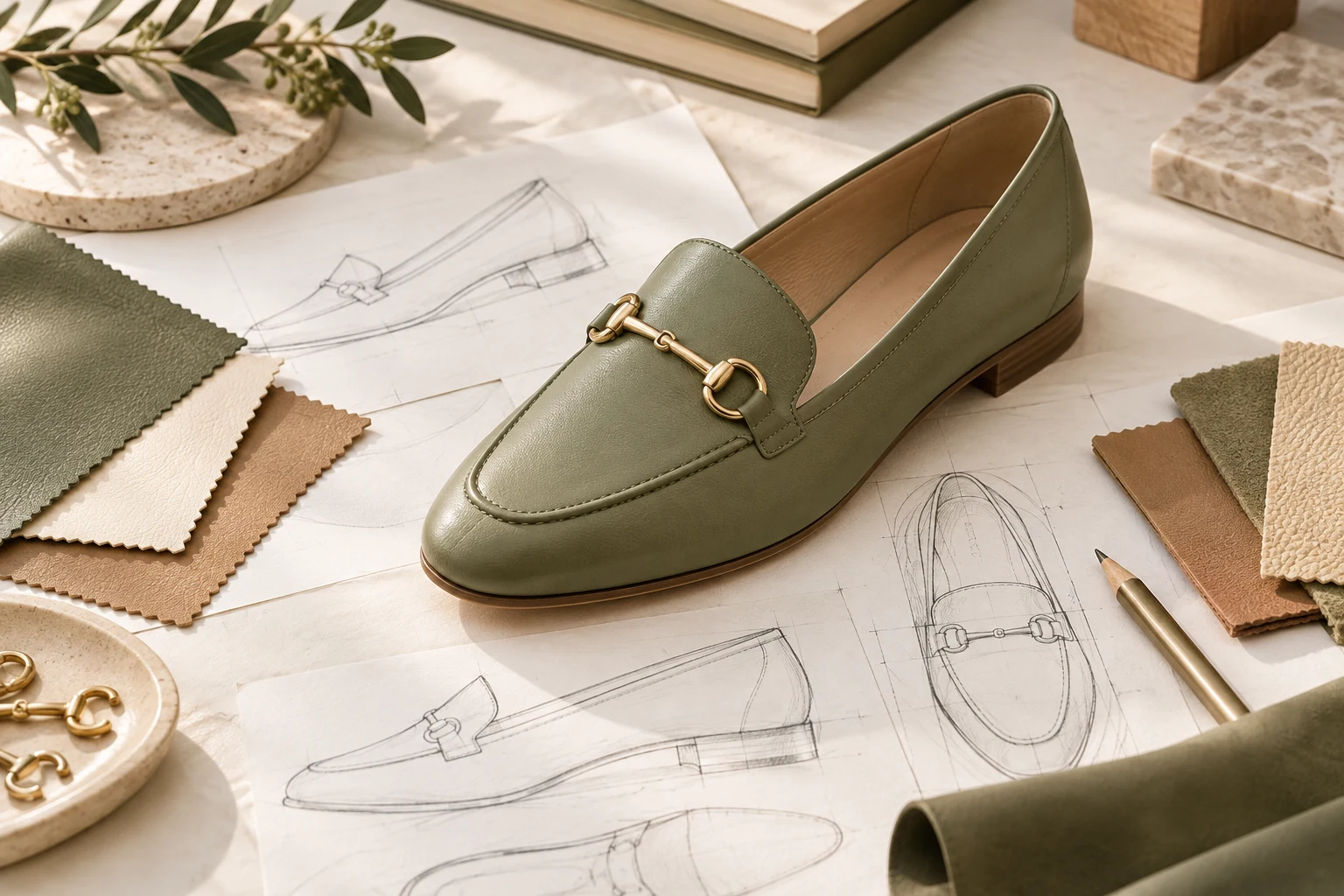
Choose Materials and Components
Material choice affects the look, hand feel, durability and cost of a finished shoe. For each component, compare the visual goal with the intended use and price point. A delicate evening heel may need a different upper and outsole specification from an everyday flat.
| Component | Typical considerations |
|---|---|
| Upper | Surface finish, softness, color consistency and care requirements |
| Lining & insole | Comfort, breathability, feel against the foot and durability |
| Outsole | Grip, flexibility, wear resistance and construction method |
| Heel & hardware | Height, stability, attachment and finish consistency |
Discuss available material swatches and component samples before confirming a final combination. The approved sample should record the exact version selected for each part.
Develop and Review Samples
The first prototype is where the design becomes tangible. A sample allows the team to review proportion, construction, color and finish together. Corrections at this stage are usually more efficient than changes after bulk production begins.
What should a brand check in the first sample?
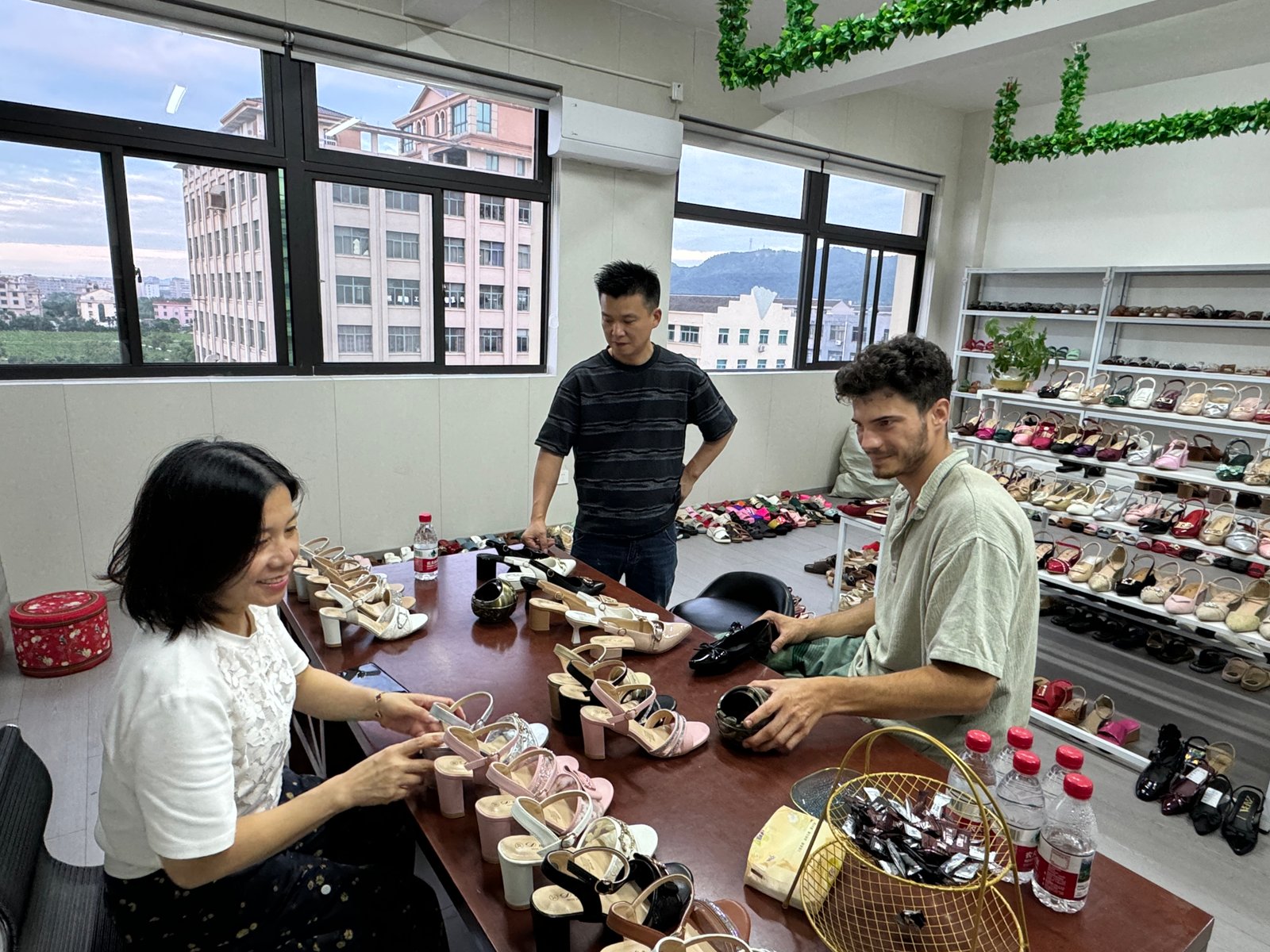
Look beyond the overall shape. Check the toe profile, heel balance, strap placement, lining feel, seams, edge finishing and how the shoe fits in the intended size. Record feedback with photos and measurements so the next revision is specific.
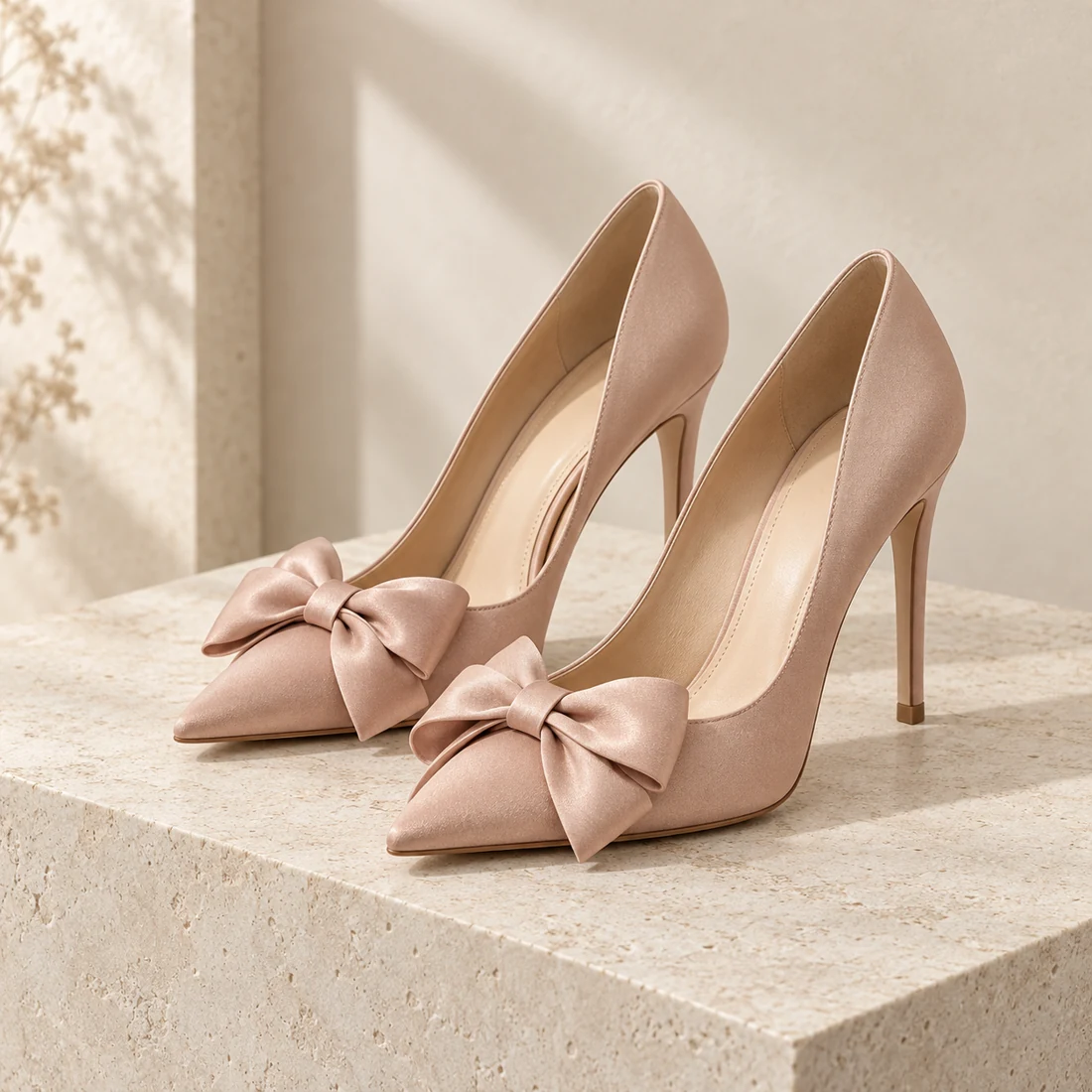
Working on a new shoe collection?
Send your design references and target details to discuss development options.
Move From Sample to Production
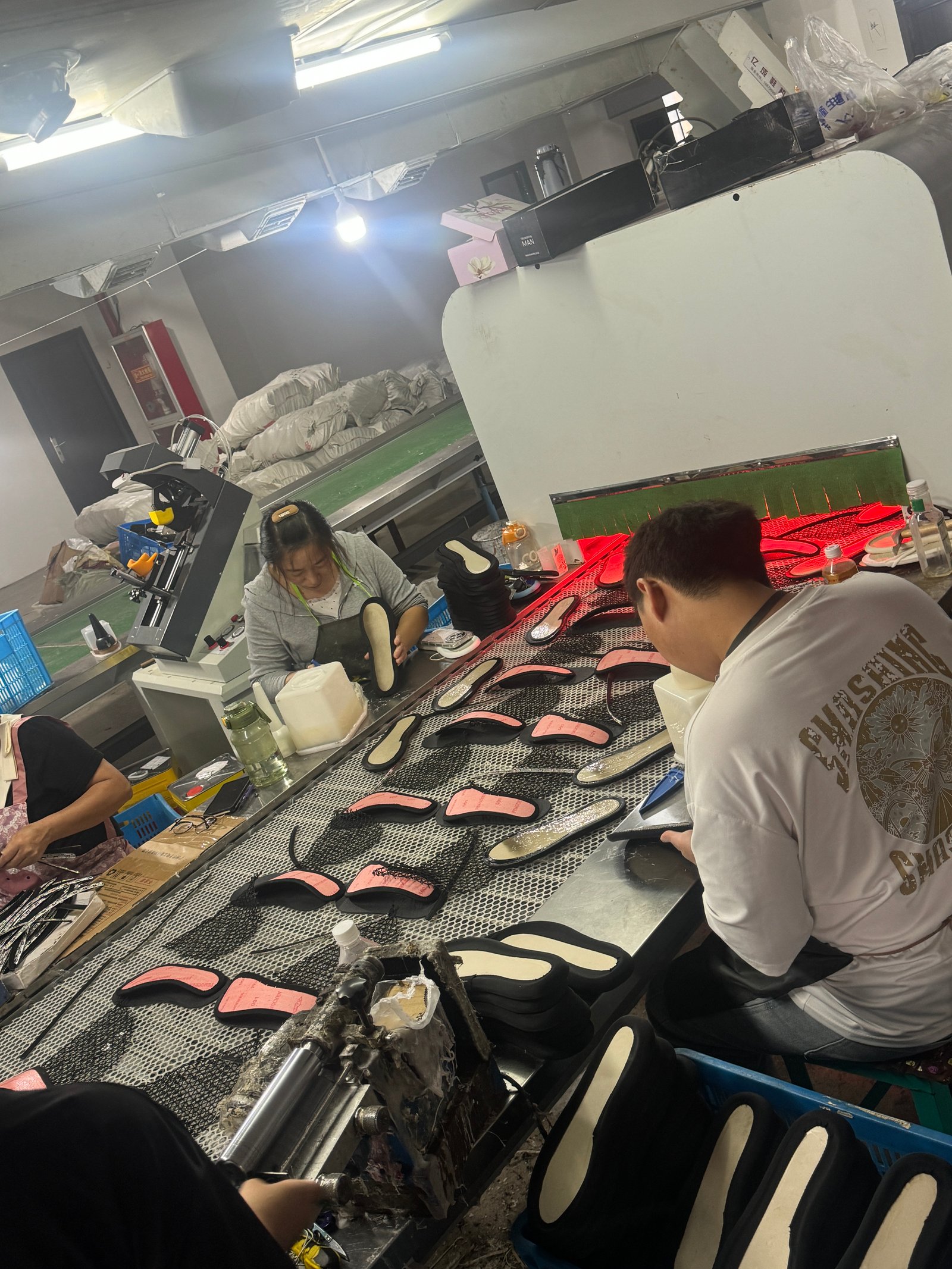
Once the revised sample is approved, the factory can prepare the materials and organize production. The approved sample and written specification become the reference for the order. Confirm the colorways, size breakdown, packaging and any labeling requirements before the production run starts.
Clear approvals reduce ambiguity. If a component changes because of availability, review the replacement before it is used across the order.
Check the Finished Shoes
Quality checks should focus on the details buyers will notice: consistent appearance, construction, finish, pair matching and packaging condition. The final checks should reflect the agreed specifications and the products intended use.
Ask what is inspected during production as well as before shipment. A short, clear checklist makes it easier for both sides to communicate about any issue and its resolution.
Frequently Asked Questions
Can a factory make shoes from reference pictures?
Reference pictures are a useful starting point. Technical details, available components, fit and intellectual-property requirements still need to be reviewed before development.
How many samples are needed before production?
It depends on the style and the changes requested. A first prototype is reviewed, revised when necessary and approved before production specifications are locked.
Can brands customize materials and colors?
Yes, options can be discussed during development. Availability, minimum quantities and suitability depend on the selected material and construction.